# Technical implimentation with blockchain
Core Technology\
Chain Abstraction Layer: Simplifies multi-blockchain interactions, managing smart contracts, asset tokenization, and transaction routing.
\
Chain Signatures: Cryptographic proofs securing cross-chain transactions, ensuring authenticity and preventing double-spending.
\
Functionality Overview
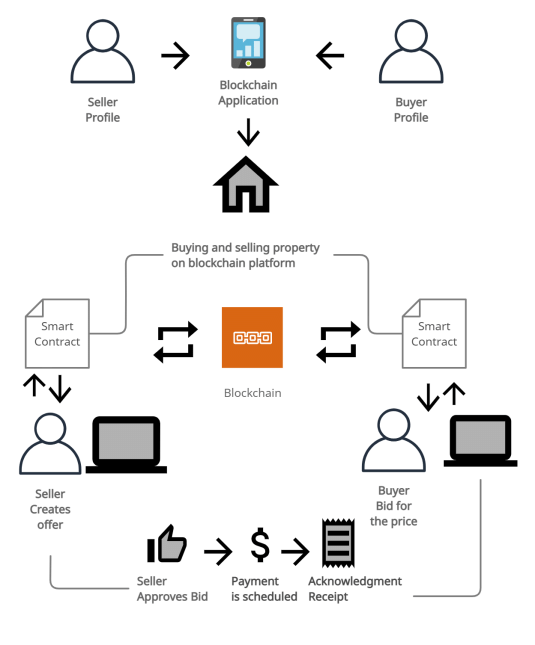
P2P transaction flow
\
: Participants: Sellers (landlords/investors), buyers (tenants/investors).\
Transaction Steps:\
-Seller lists tokenized property.\
-Buyer bids or agrees to terms.\
-Seller approves, smart contract schedules payment.\
-Payment confirmed, transaction (sale/lease) finalized on blockchain.\
-Smart Contracts: Automate terms, hold escrow funds.\
-Property Tokenization: Properties as digital assets (NFTs or fractional tokens) with immutable records.
\
— Key Features\
-Cross-Chain Interoperability: Assets and transactions span multiple blockchains via chain signatures.\
-Decentralized Identity: Cryptographic user verification reduces fraud.\
-Time-Bound Leases: Smart contracts enforce lease terms with expiration/renewal logic.\
-Utilities for Tokenized Assets: Fractional ownership, rental income distribution, DeFi integration.
\
— Security and Scalability\
Security: Chain signatures, decentralized identity, smart contract audits.\
Scalability: The Blockchain Sharding design handles high transaction volumes.
This is to delivers a secure, efficient, user-centric real estate transaction platform.